Uncivilized and Unashamed: Bella Baxter Against the World

Yorgos Lanthimos’s Poor Things (2023), based on
Alasdair Gray’s novel of the same name, is not just a bizarre, baroque
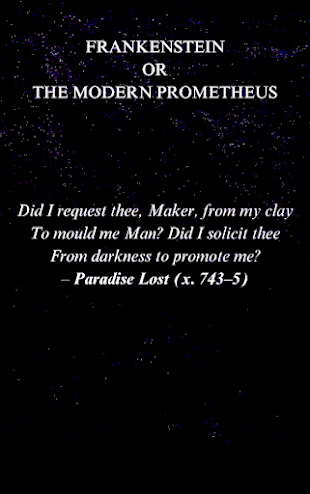
reimagination of Frankenstein; it is a cinematic fable about rebirth, autonomy,
and what it truly means to become. In Alasdair Gray’s 1992 novel, the phrase ‘poor
things’ is used to mock the way Victorian society patronizes women. Critique
those who claim moral superiority while upholding exploitative systems.
At its strange, beautiful center is Bella Baxter, a woman resurrected, reinvented, and ultimately liberated.
But Bella isn’t merely a product of science; she is a force of becoming. Born with the brain of an infant inside a grown woman’s body, she lives without the inherited shame, filters, or social programming that condition most women. Her world begins with hunger for knowledge, sensation, and experience. Everything is new to her: language, touch, freedom, rage, and wonder.
Bella is a creature of immense curiosity. She does not obey, not out of malice, but because she has not been taught to. She touches herself not with guilt but with fascination. When she asks her fiancé, Max, to be intimate with her, he recoils in embarrassment. Society's reflex is shame.
Bella’s is wonder. And wonder, in a woman, is dangerous.
When she later runs away with the flamboyant, narcissistic lawyer Duncan Wedderburn, she begins to explore not just the world, but herself within it. Duncan, initially captivated by Bella’s untamed nature, soon reveals that his love is contingent on her ignorance. He wants her to remain a beautiful, babbling doll, a mirror, not a mind. But Bella outgrows him. She outgrows most men.
After Duncan’s betrayal and abandonment in Paris, Bella makes a radical choice: she begins sex work, not as a victim, but as an experiment in agency. In a world where women are constantly disempowered, Bella enters the brothel on her own terms. There, she questions the structures that commodify her body and finds both pain and purpose.
She meets Toinette, a fellow sex worker who becomes her first true friend, one who doesn’t infantilize or control her. Their bond is one of mutual recognition and tenderness. Toinette warns her against romantic illusions and becomes Bella’s anchor in a world that often confuses desire with domination.
Through experience, Bella begins to confront the invisible scaffolding of the world around her. She doesn’t ask her questions aloud, but her life begins to embody them:
Why are women not allowed to choose?
Why does society mask oppression as order?
Why must love demand submission?
When Alfie Blessington confronts Bella, her past returns like a ghost. She was once Victoria Blessington, his wife, silenced, controlled, and diagnosed as ‘hysterical’ for showing emotion and resistance. Alfie’s darkest wish? To ‘cure’ her by removing her clitoris, a historical horror that the film treats with necessary shock.
Bella is horrified, but not broken. She rejects Alfie not only as her husband but as a symbol of the violent systems that have long tried to police women’s bodies and minds.
She defeats him not through revenge, but through refusal. He cannot possess what he can no longer define.
Bella returns to London, not as a lost daughter but as a woman fully reborn. She marries Max McCandles, not because she needs to, but because she chooses to and on her terms. Even her reunion with Godwin is no longer as a child to a father, but as one mind to another.
At the film’s end, Bella is neither Victoria nor simply “Poor Thing.”
She is her own invention.
A woman who chose her path.
A woman who faced society’s gaze and didn’t blink.
A woman who read, fucked, thought, wept, built, and transformed.
Bella Baxter represents womanhood in its rawest form, untamed, unashamed, unfinished. She is not a template for femininity, but a challenge to its traditional scripts.